


Consumer Packaged Goods
January 27, 2016
Analytical Trends Assist in Food Production & Shipment
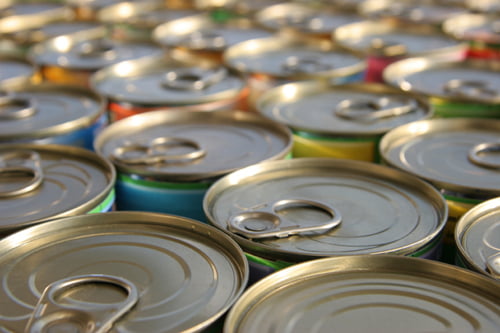
Analytical chemistry is playing an increasingly important role in determining the safety of food shipped globally, as it develops more sensitive instruments to gather more data. The two instruments increasingly used by food labs to read the health of food are high resolution mass spectrometry and biosensors, together expected to produce massive amounts of data on the chemical makeup of food and related smells. Translating that data into descriptions of the effect of food on human health is one of the industry’s upcoming analytical trends.
The ultimate purpose of this increased instrumental sensitivity is to be able to ship food globally and still keep it healthy. People all over the world are applying new technology to local growth of healthy food, but the assumption in the economic, hence scientific community is that global food shipments will grow as the world’s population and need for healthy food grows.
To increase global deliveries, the food industry needs to find a way to keep food as stable as possible, so it doesn’t end up being contaminated during shipment. In support of that, university research lab analysts are focusing on what happens to food during storage, processing, and packaging. They’re looking to develop instruments and analytical procedures that the food industry, itself, can use to deliver food in a healthy condition, no matter how far it needs to travel.
Areas in which analytical data may end up being useful are the development of more efficient pasteurization and sterilization techniques, active and multi-layer packaging systems, labeling, and the development of remote storage monitoring. Labs are working to develop matrices of each type of food we eat that shows in what way it’s likely to become contaminated, and how to tell when it’s contaminated beyond edibility. One of the possible, hoped for results of these developing analytical procedures may be that the food industry will stop throwing away so much spoiled (and barely spoiled) food.
It’s not too far-fetched, however, to suspect that other uses will have become apparent before that time. If the new instrumentation could be used to analyze health in food, perhaps it could also be used to analyze healthy compost and/or the health of soils that produce healthy food in the first place. Figuring out how to make soils naturally healthy (without chemical fertilizers) would be a great step to preventing spoilage in food as it travels.
Healthy food lasts longer than food that started out barely healthy, whether pasteurized or not, and food has been proven healthier when it’s fresh and grown locally. Still, seldom does new research go to waste. Even if people were to grow fresh vegetables and fruits locally, there would still be a market for cheeses and wines worldwide, hence a need to improve packaging and to check the food’s quality before delivery.
Source
http://www.chemistryviews.org/details/ezine/5664511/Analytical_Trends_of_the_Food_Industry.html
Categorias: Consumer Packaged Goods

Calls for more transparency and more sustainable practices have been on the rise throughout the Cosmetics industry and beyond, but these calls were only amplified with the onset of the […]
